Maintenance & Care
Outboard Water Pump Impeller and Cooling System: Care and Replacement
Outboard water pump impeller replacement and cooling care: how the impeller works, the warning signs of overheating, and when to replace it, step by step.
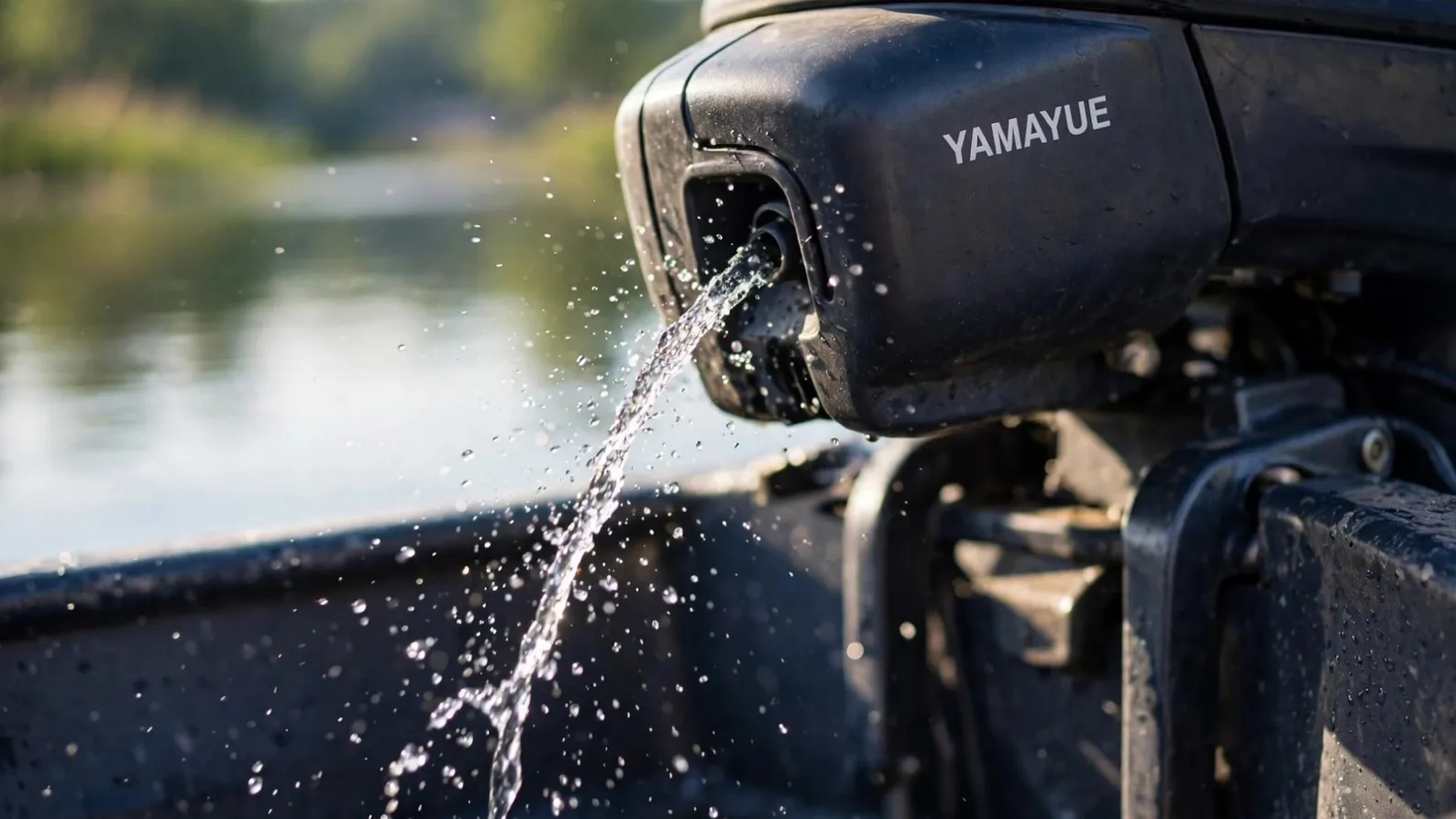
An outboard cools itself with the water it floats in. A small rubber pump — the impeller — pushes that water through the engine, and a thin stream from the side of the motor shows the water is flowing. When the pump weakens or the passages block, the engine overheats, and overheating is one of the few faults that can destroy an engine in a single trip. This guide explains how the cooling system works, what the warning signs mean, what impeller replacement involves, and the routine that keeps the whole system healthy. It applies to both 2-stroke and 4-stroke motors.
How an outboard cools itself
Outboards use raw-water cooling: they draw in the water around the boat, pass it through the engine, and discharge it. There is no radiator and no sealed coolant circuit. Water enters through intakes on the lower unit, just above the propeller. The water pump, driven off the driveshaft, pushes the water up through the leg and around the cylinder block and cylinder head, where it absorbs heat. The water then leaves through the exhaust and through the tell-tale outlet — the thin stream on the side of the motor that owners check at every start.
The tell-tale is the system's dashboard. A strong, steady stream means water is flowing. A weak, spluttering, or missing stream means it is not, and the engine is at risk. Check the stream every time you start the motor, before you leave the dock. It takes two seconds and it is the most valuable habit in this guide.
Cooling flow depends on the pump, the passages, and the intakes all working together. A worn pump, a blocked intake, or salt build-up in the passages each reduce flow on their own, and together they can stop it. Flushing with fresh water after use keeps the passages clear, and the full routine is in our outboard motor maintenance guide.
The impeller: a rubber pump with a hard life
The impeller is a flexible rubber wheel with vanes, spinning inside a metal housing in the lower unit. As it turns, the vanes flex against the housing wall and push water upward. Rubber is used because it seals well and tolerates the grit that raw water carries — but rubber wears, stiffens with age and heat, and takes a set when the motor sits unused for months. A vaned wheel that has sat compressed in one position all winter may not spring back to full shape, and its pumping falls off.
The impeller turns whenever the engine runs, because it is driven off the driveshaft. That is why the first rule of outboard cooling is absolute: never run the motor without a water supply. Even a short dry run spins the impeller against its housing with no water to cool and lubricate it, and the vanes can be damaged in that short time. The same applies to running on flushing muffs with the water turned off, or starting the motor on the trailer to "check it" without a hose connected. If the motor must be started out of the water, connect the fresh water supply first, and confirm the tell-tale stream before doing anything else.
Impeller wear is invisible from outside the motor. The pump sits inside the lower unit, and judging it means opening the gearcase. That is why replacement follows the schedule in the owner's manual rather than waiting for symptoms — by the time the tell-tale weakens, the pump is already well past its best.
Warning signs your cooling is failing
Learn these signs, and act on the first one you see. Overheating damage happens fast, and continuing to run a motor that is not cooling properly turns a small job into a large one.
- Weak or missing tell-tale stream. The most common first sign. Stop the engine, check the intakes for weeds, mud, or a plastic bag, and check that the tell-tale outlet itself is not blocked by salt or debris. If the stream stays weak with clear intakes, do not keep running.
- Rising temperature or a warning alarm. Some models have a temperature warning. If it sounds, or if the engine note changes and power falls away, stop immediately and let the engine cool before investigating.
- Steam or a hot smell from the engine cover. The engine is already too hot. Stop, let it cool completely, and do not restart until the cause is found.
- Water in the gear oil. Milky or grey gear oil means water has entered the gearcase, usually past a seal. It is a lower-unit problem rather than a cooling problem, but the two share the same housing, so have the seals and the pump checked together.
If any of these appear on the water, stop the engine, tilt the motor up, and check the intakes. If the cause is a plastic bag or weed, clearing it may restore flow. If the cause is not visible, get the boat home slowly or under tow rather than running the motor hard — a motor that is not cooling will not improve with speed.
What blocks or breaks cooling
Four things attack the cooling system, and all four are preventable. The first is salt. Salt water leaves deposits in the cooling passages that narrow them over time, which is why flushing with fresh water after every saltwater trip is the highest-value maintenance step there is. The second is sand and mud. Shallow-water running stirs grit into the intakes, and grit wears the impeller vanes and scores the pump housing. Avoid running in very shallow water, and flush after any trip that stirred the bottom.
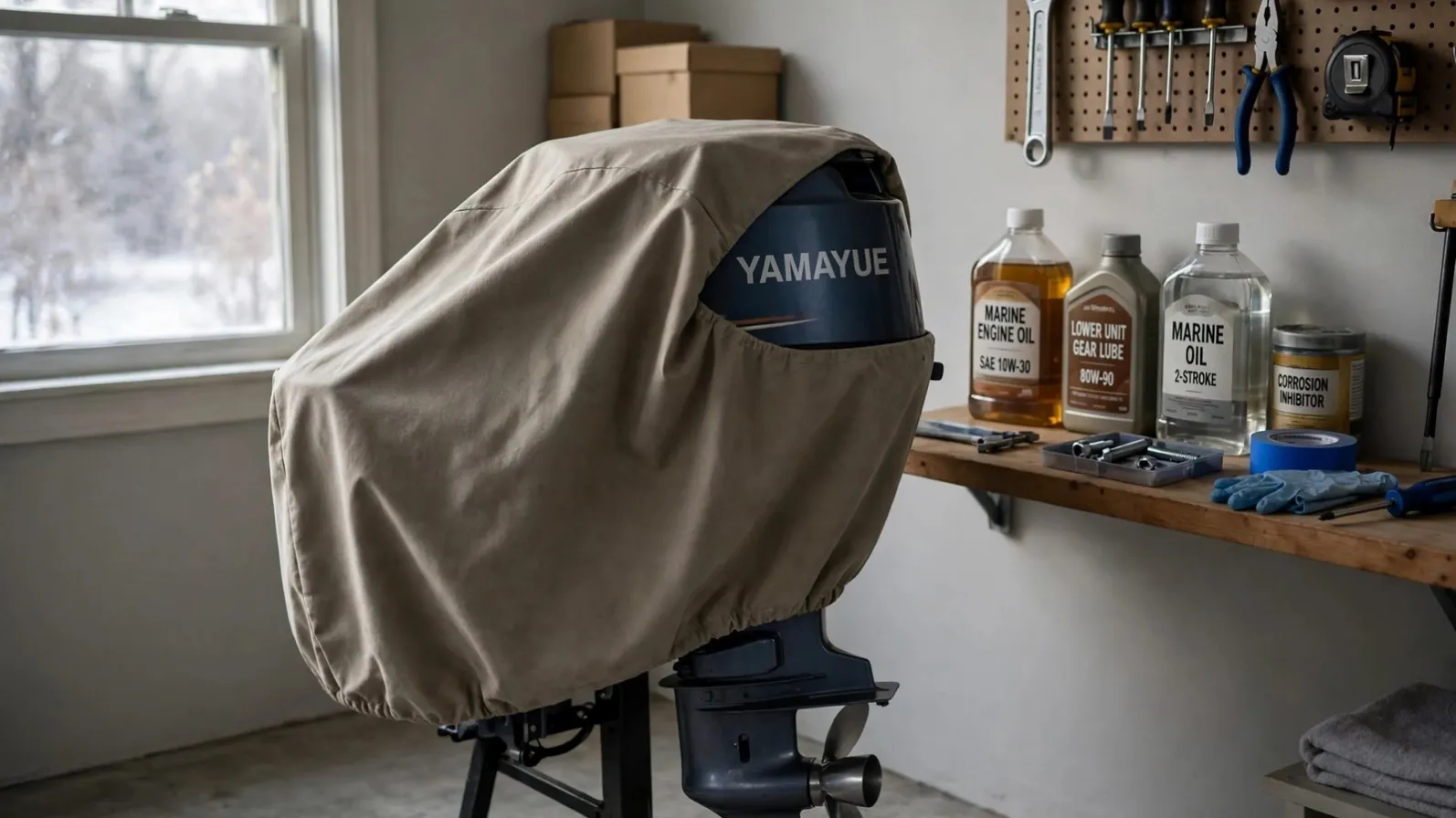
The third is debris: weeds, fishing line, and plastic bags over the intakes. A bag over the intakes stops flow completely and overheats the engine in minutes. Check the intakes visually before each trip and after any strike or grounding. The fourth is age. Rubber hardens and vanes crack whether the motor runs or not, so a motor that sat unused for a long season needs the same cooling checks as one that ran all year. Winterizing and spring checks are covered in our winterizing guide.
Replacing the impeller: what the job involves
Impeller replacement is a lower-unit job. The gearcase is unbolted and lowered, the pump housing is opened, the old impeller is removed, and a new impeller is fitted with the vanes turned the right way, together with new seals and gaskets as the manual specifies. The gear oil is drained and replaced at the same time, and the water tube that carries water up the leg is checked for alignment when the gearcase goes back on. Done properly, it is a routine service job. Done carelessly — vanes folded the wrong way, a pinched seal, a misaligned water tube — it leaves the motor cooling worse than before.
For most owners, this is a dealer or qualified mechanic job rather than a first DIY project. The gearcase is heavy, the alignment matters, and the consequences of a mistake are an overheated engine. What owners should do is know the interval and book the work on time. The replacement interval is in the owner's manual for your exact model, and it varies by model and use — motors used in salt water, sand, or heavy commercial service need it sooner. Do not wait for the tell-tale to weaken before booking it. If you buy a used motor with no service history, have the impeller replaced and the gear oil changed before the first season, so the baseline is known.
When the gearcase is open, it is also the moment to check the gear oil condition, the propeller shaft seals, and the anodes on the lower unit. Combining the jobs in one visit saves a second strip-down later, and it gives a full picture of the lower unit's health.
The cooling care routine
Five habits keep the cooling system healthy between impeller replacements. None of them needs tools, and together they take a few minutes per trip.
- Check the tell-tale at every start. Strong and steady means water is flowing. Weak or missing means stop and investigate.
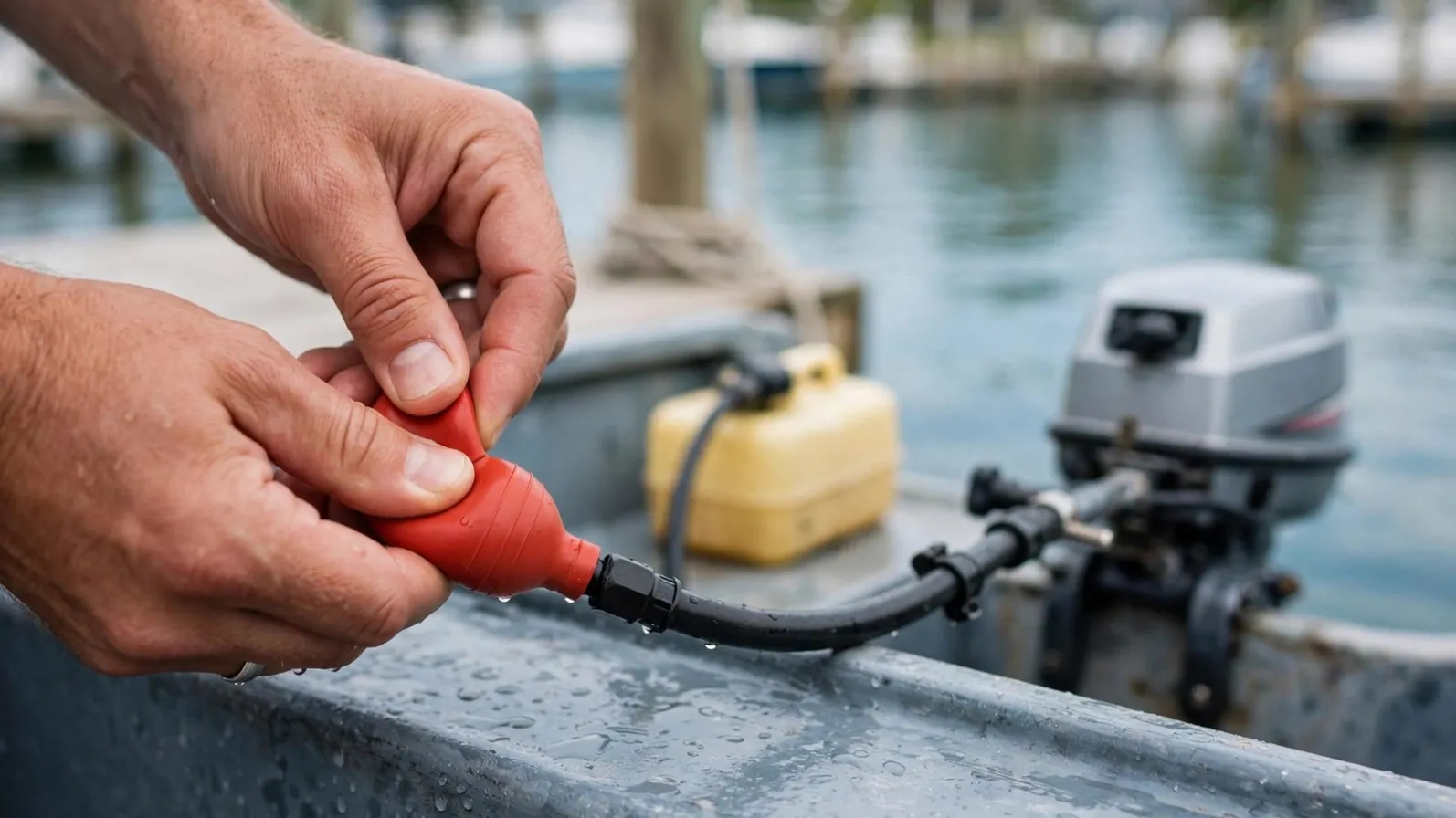
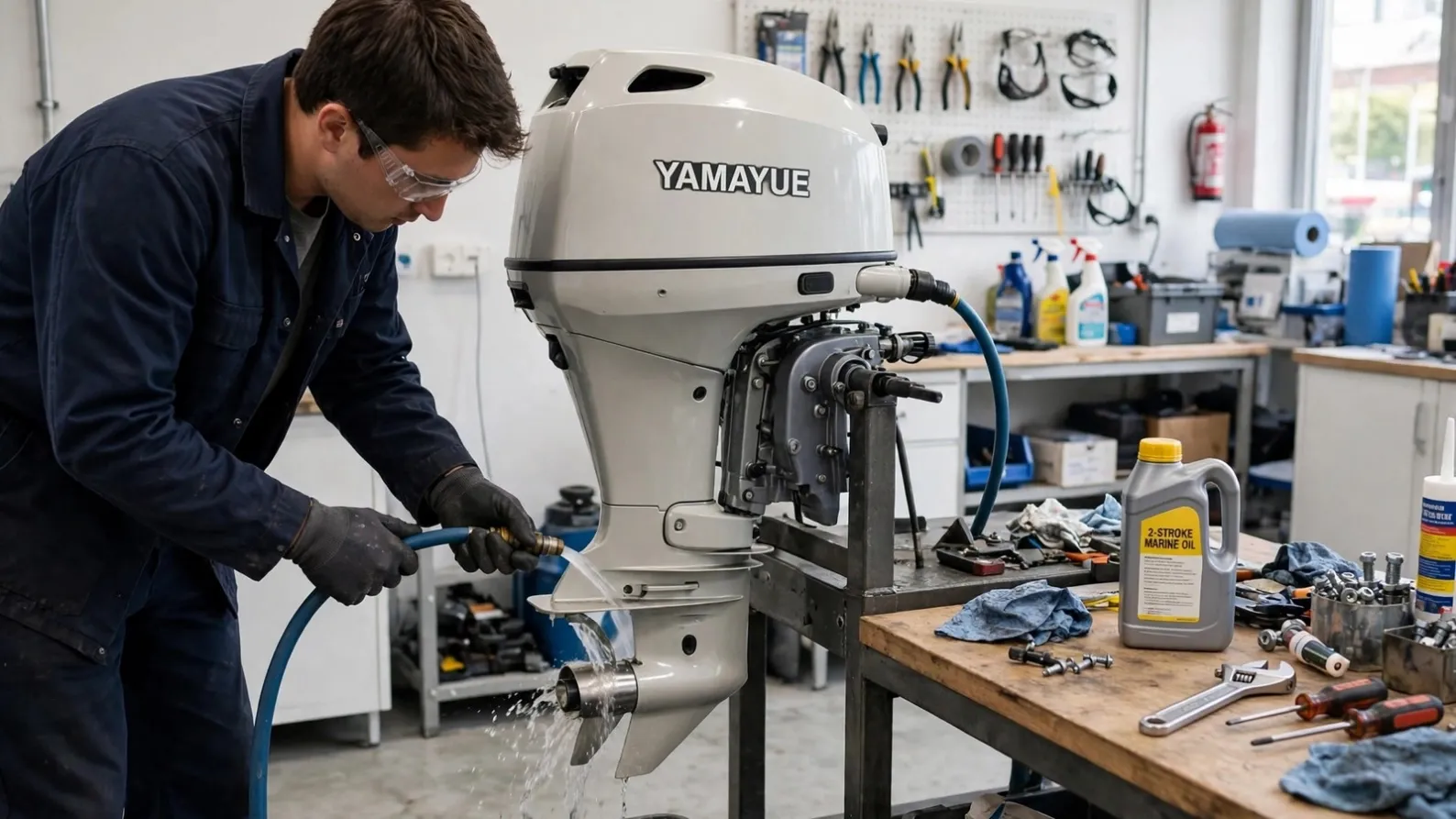
- Flush after every saltwater trip. Connect fresh water with muffs or the flush port, idle the motor until the stream runs clear, then stop. Never run without water.
- Look at the intakes before launching. Clear weeds, mud, and debris, and check again after running aground or through weed.
- Watch the temperature on long runs. A change in engine note, a warning alarm, or steam means stop and check, not push on.
- Book the impeller on the manual's schedule. Treat it as routine servicing, not as a repair after failure.
Cooling care connects to everything else in the maintenance routine. A motor that is flushed, stored properly, and serviced on schedule rarely overheats, and a motor that overheats once should have its impeller and cooling passages checked before its next run. If a motor that will not start has a cooling history — a weak tell-tale, a past overheat — work through our troubleshooting guide with the cooling system in mind, and do not force repeated starts on a motor that is not cooling.
Frequently asked questions
Q: How often should an outboard water pump impeller be replaced?
A: On the schedule in the owner's manual for your exact model. Intervals vary by model and use — salt water, sand, and heavy commercial service all shorten impeller life. Do not wait for the tell-tale to weaken; replace on schedule, and replace on any used motor with no service history.
Q: Can I run my outboard motor out of the water?
A: Only with a fresh water supply connected, through flushing muffs or the flush port, and only after confirming the tell-tale stream. Never run the motor dry, even briefly — the impeller spins from the first revolution and dry running damages its vanes very quickly.
Q: What causes a weak tell-tale stream?
A: Blocked intakes, a blocked tell-tale outlet, salt build-up in the passages, or a worn impeller, in that order of checking. Clear the intakes and the outlet first. If the stream stays weak, the pump needs inspection.
Q: What causes an outboard motor to overheat?
A: Loss of cooling water flow: a worn impeller, blocked intakes, blocked passages, or running without water. Salt build-up narrows the passages over time, and debris over the intakes stops flow suddenly. Stop the engine at the first sign and find the cause before running again.
Q: Is impeller replacement a DIY job?
A: For most owners, no. It needs the gearcase removed, the vanes fitted the right way, seals and gaskets replaced, and the water tube aligned on reassembly. A mistake leaves the motor cooling worse than before. Have a dealer or qualified mechanic do it, and combine it with the gear oil change.
Request a wholesale quote
Tell us the horsepower and shaft length, the quantity, the destination country and port, and whether you need OEM branding or export packing, and we will reply with a quote. Browse the 2-stroke range and the 4-stroke range, or start from a model: 6HP 2-stroke, 15HP 2-stroke, 6HP 4-stroke, 9.9HP 4-stroke, 25HP 4-stroke, 60HP 4-stroke. See all models on the outboard motors hub.